
What is BIM technology in construction
BIM is a single digital model of an object that combines all project data: from structures and engineering systems to deadlines and costs. This approach helps to identify errors in advance, effectively coordinate the work of project participants and reduce risks at all stages of construction.
Economic benefits of BIM implementation
BIM technologies help to reduce costs by reducing the number of alterations, more accurate budget planning and effective time management. A single digital model increases the transparency of the project, reduces the number of errors and simplifies interaction between all construction participants, which is especially important when implementing technically complex facilities.
The construction industry has finally entered a stage where the winner is not the one who is "cheaper at the start", but the one who more accurately manages the risks and results throughout the life cycle of the facility. Today, the customer evaluates the contractor and the project team based on very specific parameters: predictable deadlines, budget transparency, quality of coordination, and the ability to make quick decisions when input changes. That is why BIM technologies in construction have become not an additional option, but a working standard for system companies. LENOX LLC applies this approach as a practical standard in the implementation of projects.
Previously, management was carried out through disparate drawings, tables and manual approvals, but now this approach is too expensive. It creates inconsistencies between sections, delays at the implementation stage, disputes with contractors and budget losses on alterations. In contrast, BIM modeling creates a unified digital environment where architecture, design, engineering, estimates and schedules are interconnected. This allows you to see the consequences of each change immediately, rather than after the error has already been released in time and money.
For a developer, this means that the investment model is secure. For the general contractor, rhythmic construction and more precise control of resources. For the project organization, there is an increase in the quality of documentation and a decrease in the number of critical comments on coordination. Collectively, BIM technologies in construction provide what the market has always lacked: predictability and manageability in practice, not just in reports.
What is BIM and why has the digital model become mandatory for the industry
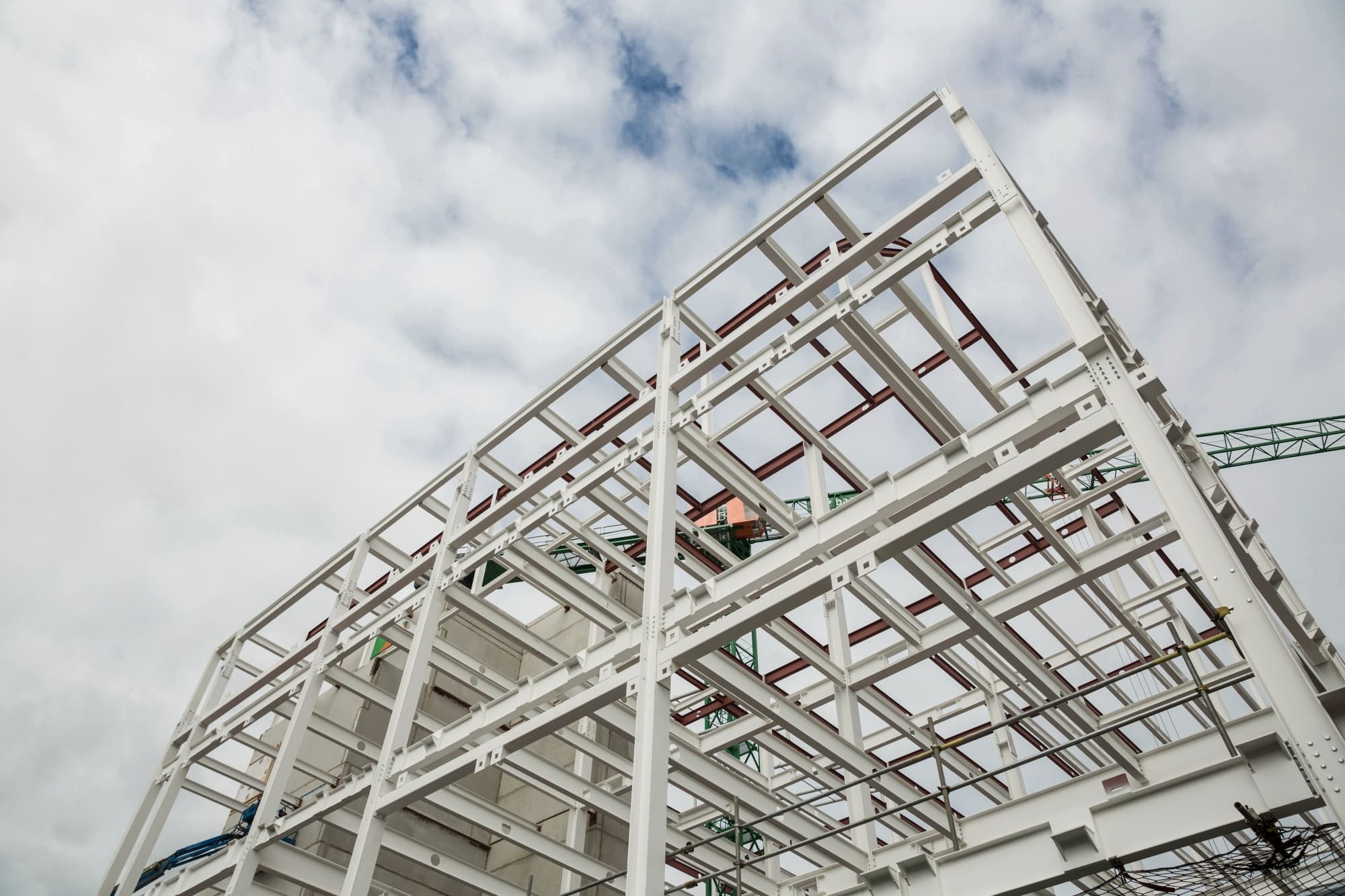
Managers often ask a practical question: what is bim technology in construction, if explained without a complex theory, it is a method of organizing a project through a single information model of an object. The model contains complex information: in addition to geometry and visualization, it integrates data on materials, volumes, engineering systems, as well as cost indicators, deadlines, stages of work and operational parameters. LENOX LLC uses this model as a single data source for the project team and the customer.
The main idea of BIM is that the project is considered as an interconnected system. When one element is changed, the team immediately sees the impact on adjacent sections. For example, if an architectural solution is being adjusted, this automatically affects the design, engineering routes, procurement, calendar plan, and final cost. Due to this, BIM technologies in construction reduce the number of "surprises" and allow you to manage deviations in advance.
In modern conditions, the relevance of complex models is significantly increasing. This is due to a number of key trends in the construction industry:
• increasing complexity of facilities and their engineering saturation;
• stricter requirements for energy efficiency and environmental friendliness of buildings;
• shorter project implementation time while maintaining high quality standards;
• increasing the cost of errors at all stages — from design to operation.
It is in these conditions that BIM construction technologies demonstrate maximum efficiency. The more complex the project, the more tangible the value of unified digital coordination of all data and participants in the process becomes.: It allows you to minimize risks, optimize costs and ensure that the final object accurately matches all specified parameters.
The practice of applying BIM at each stage of the project
At the concept stage, bim design helps to compare scenarios for the development of an object, taking into account site constraints, functional requirements and business targets. Already here, you can remove solutions that look convincing visually, but create unnecessary risks in terms of budget or deadlines.
At the stage of design and working documentation, bim modeling solves the key task of coordination. Architects, designers, and engineers work in a synchronized environment, and collisions are identified before construction and installation work begins. This is critically important: system intersections, grade conflicts, node errors, and inaccessible equipment service areas are much cheaper to fix in the model than on site.
At the construction stage, bim design is linked to the schedule and actual execution. The team sees a critical path, stage dependencies, resource requirements, and potential breakdowns. As a result, management switches to proactive mode: adjustments are made before the problem becomes a cascading delay.
After the facility is put into operation, bim modeling remains an active tool. The model is used as a digital passport of the building: it contains the composition of the equipment, technical characteristics, service regulations, and the history of replacements, repairs, and upgrades. This reduces the cost of operation, increases system reliability, and improves facility lifecycle planning.
Cost-effectiveness of BIM for developer and contractor
For the owner and the investor, the main question always remains the same: where is the money? The economic effect of BIM consists of several sustainable factors:
Reduction of alterations. The earlier an error is detected, the lower the cost of correcting it.
Improving the accuracy of the estimated model, because project changes are reflected faster in cost indicators.
Reducing downtime and conflicts on the construction site. When all participants have a single data source, the number of controversial interpretations and errors due to outdated documentation versions decreases.
Better time management: BIM technologies in construction allow you to see the impact of local delays on the overall schedule and align the sequence of work in advance.
It is also important that bim modeling increases transparency for the customer. Each decision can be justified by numbers.: how it affects the timing, cost, technical and operational parameters. With Lenox LLC, you get not just a BIM model, but a transparent picture of the project: every decision is backed up by numbers. This builds trust — and trust leads to long-term partnerships and sustainable business.
BIM construction is particularly effective at technically complex facilities. Where there are dozens of contractors and a large number of engineering relationships, digital coordination becomes not just a convenience, but a condition for the normal implementation of the project without critical losses.
How to implement BIM in a company systematically and without losing momentum
The basic mistake of many companies is to implement BIM only at the tool level, without rebuilding processes. This approach almost always gives a weak result. To get an effect, you need to start with management goals: which indicators should improve, in what time frame, due to which changes in the production cycle. Lenox LLC offers the following steps for the successful implementation of BIM in the company:
KPI formulation: reducing the number of collisions, speeding up approvals, improving budget accuracy, reducing the proportion of alterations, and improving schedule discipline.
Development of a corporate BIM standard: roles, areas of responsibility, model structure, levels of detail, versioning rules, quality control procedures.
A pilot facility. BIM design should work on it as an obligatory part of the overall process, and not as a separate activity "for reporting". On the pilot, the team collects the actual statistics and adjusts the regulations.
Scaling to the next projects, taking into account accumulated practice and specific metrics.
It is crucial that BIM technologies in construction are integrated into the daily management circuit: the project office, the estimate block, the technical support, the supply, the construction site and the maintenance service must work in a common data logic. When this happens, bim modeling begins to bring sustainable results at the level of the entire company, rather than one division.
To launch BIM processes quickly and correctly without the risk of methodological errors, it is advisable to involve external experts. LENOX LLC offers a BIM modeling service that adapts to the specifics of the facility and the specific tasks of the project. This will quickly achieve transparent and measurable results. Entrust the implementation of BIM technologies to professionals ‑ choose LENOX LLC.

Why BIM will become a criterion of a company's professionalism in the coming years
In the near future, the market will evaluate the contractor's ability to deliver the expected result even more harshly. That is why BIM technologies in construction are becoming a marker of a company's maturity. Where processes are digitized and connected, decisions are made faster, risks are managed earlier, and the financial model of the project remains stable even with changes in inputs.
Stable BIM design gives the company production discipline: less chaos in communication, higher quality of coordination, clearer responsibility of the participants. As a result, the operational burden on managers is reduced, because some of the problems are prevented at the model stage, rather than being solved in emergency mode on the site.
In addition, BIM technologies in construction enhance long-term competitiveness. The company accumulates a digital database of solutions, improves standards, increases planning accuracy and adapts faster to the requirements of new projects. In such a bim contour, construction becomes not a one-time digitalization project, but a permanent system of efficiency growth.
BIM technologies are a proven solution for reducing losses, strengthening project control, speeding up approvals and improving the quality of the final result. Today, the transition to BIM is no longer a question of "is it necessary?", but a question of "how to implement it quickly and efficiently?". Lenox LLC will take over the implementation of BIM technologies: We will ensure effective implementation so that you get a tangible economic effect ahead of your competitors and consolidate your advantage in the market.
Related articles
Construction of industrial buildings
A modern industrial building should ensure the uninterrupted operation of the enterprise, withstand production loads and create a reserve for further development. Competent design and professional implementation make it possible to obtain a reliable facility with predictable construction dates and a controlled budget.

Fit Out in Construction
The preparation of a commercial facility for opening requires high-quality coordination of all stages of the project. The Fit-Out approach helps to avoid deadlines, unnecessary costs and expensive alterations, ensuring that the premises are fully operational.